
When your garage door starts making unusual noises, sticks halfway or refuses to open properly, it’s natural to wonder whether it’s worth repairing or if it’s time for a replacement.
Some faults can be fixed quickly, while others are a sign the door has reached the end of its lifespan. This guide explains how to tell the difference and make the right long-term decision.
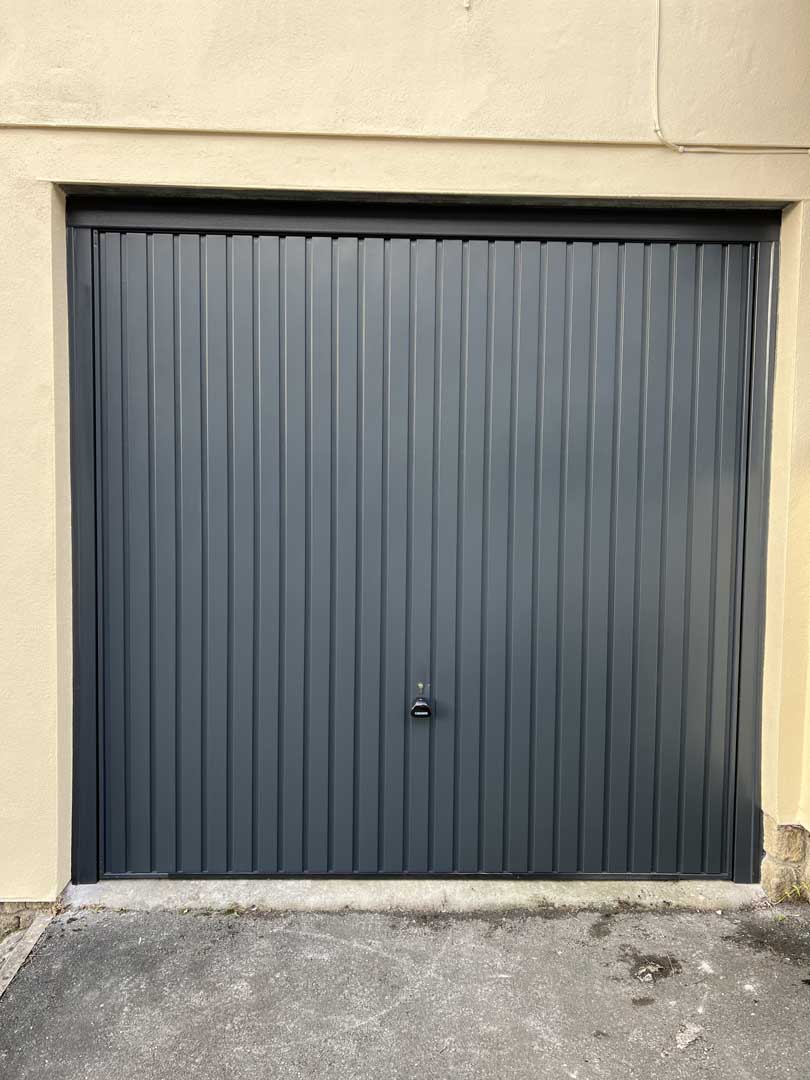
The Quick Answer: Should You Repair Or Replace Your Garage Door?
If your garage door is relatively modern, structurally sound and has developed a single fault, repairing it is often the most practical and affordable solution.
However, replacement may be the better option if:
- The door has multiple recurring faults
- Major components have failed
- Repairs are becoming increasingly frequent
- The door no longer meets your security or insulation needs
- Replacement offers better long-term value than continued repairs
In most cases, repairing makes sense if the fault is isolated. If repairs are becoming frequent or the door is no longer reliable, replacement is usually the better investment.
Start By Understanding The Problem
Some problems develop gradually over time, while others appear suddenly after years of reliable operation. Common signs include:
- The door is noisy when opening or closing
- It feels heavier than usual
- The door sticks or moves unevenly
- It won’t fully open or close
- The remote control works inconsistently
- You notice damaged cables, rollers or springs
- The door has been hit by a vehicle
- The door has become difficult to lock securely
Some of these issues are relatively straightforward to repair, while others may indicate more widespread wear.
If you’re noticing early warning signs, you may also find our guide on 7 Signs Your Plymouth Garage Door Needs Repair helpful.
When Repairing Your Garage Door Is Usually The Right Choice
Many garage door problems can be resolved without replacing the entire system.
If the door itself is still in good condition, repairing individual components is often the most sensible solution.
Replacing Worn Springs
Garage door springs naturally wear with age due to repeated use. Replacing worn springs can restore smooth, safe operation without needing a completely new door.
Repairing Damaged Rollers Or Tracks
Rollers and tracks can become worn, dirty or misaligned over time.
If caught early, these parts can often be repaired or replaced before causing further damage.
Fixing Remote Controls Or Automation Issues
Electric garage doors occasionally develop faults with remotes, control units or safety sensors.
In many cases, these problems can be diagnosed and repaired without replacing the whole automation system.
Replacing Weather Seals
Damaged weather seals can allow draughts, water and debris into the garage.
Replacing worn seals is a relatively simple repair that can improve protection and efficiency.
Routine Servicing
Sometimes a garage door simply needs adjustment, lubrication and inspection rather than major repairs.
Regular servicing helps identify minor issues before they become expensive faults.
You can find out more about preventative maintenance in our guide on How Often You Should Service Your Garage Door or Electric Gate.
Signs It May Be Time To Replace Your Garage Door
While repairs can often extend the life of a garage door, there comes a point where replacement becomes the more practical option. Here are some of the most common signs.
The Same Problems Keep Coming Back
If you’re repeatedly repairing the same garage door, it’s worth considering whether the money would be better invested in a replacement.
Repeated call-outs can quickly add up, particularly if multiple components are reaching the end of their lifespan.
The Door Has Suffered Significant Damage
Accidental impact, corrosion or structural damage can affect both the appearance and safe operation of a garage door.
In these situations, replacing the door may be safer than attempting extensive repairs.
The Door Is Becoming Unsafe
Garage doors rely on springs, cables, tracks and safety mechanisms working together.
If these components are significantly worn or damaged, continued use may present safety risks.
If you’re ever unsure, stop using the door and arrange for it to be inspected.
You Want Better Security
Older garage doors may not offer the same level of protection as modern systems.
Upgrading can provide improved locking systems, stronger construction and, if desired, electric operation with integrated safety features.
You’re Already Planning Other Home Improvements
If you’re renovating the front of your property or improving kerb appeal, replacing an outdated garage door can make a significant difference to the overall appearance of your home.
Repair Vs Replacement: Which Offers Better Value?
Choosing between repairing and replacing your garage door is about more than the upfront cost. Consider:
- How old is the door?
- Has it been reliable?
- Are replacement parts still available?
- How often do you use it?
- Would a newer door improve security, insulation or convenience?
If a single repair is likely to restore years of reliable use, it’s usually worth repairing. If faults are becoming more frequent, replacing the door may offer better long-term value.
Can You Upgrade Instead Of Replacing Your Garage Door?
Sometimes.
If the door is in good structural condition and operates smoothly, it may be possible to fit an automation system instead of installing a completely new door. This can be a cost-effective way to enjoy the convenience of remote-controlled access without replacing the entire garage door.
However, not every garage door is suitable for automation.
Before recommending an upgrade, a professional installer should assess:
- The overall condition of the door
- The balance and spring mechanism
- The tracks and frame
- Available space for the motor
- Whether the door complies with current safety standards
If the door is worn or has recurring faults, replacement is often the better long-term option. If you’re considering automation, learn more on our Electric Garage Doors page.
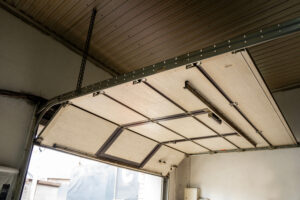
Don’t Forget About Ongoing Maintenance
Whether you choose to repair, upgrade or replace your garage door, regular servicing helps keep it safe, reliable and operating smoothly. It can also identify worn components before they lead to more expensive repairs.
Our guide on How Often You Should Service Your Garage Door or Electric Gate explains what homeowners should look out for and when servicing is recommended.
Frequently Asked Questions
Is It Cheaper To Repair Or Replace A Garage Door?
If the problem is isolated and the garage door is otherwise in good condition, repairing it is usually the more affordable option. However, if multiple components are worn or repairs are becoming frequent, replacing the door may offer better long-term value.
How Do I Know If My Garage Door Can Be Repaired?
Many common faults, including damaged springs, worn rollers, faulty remotes and minor automation issues, can often be repaired. A professional inspection can determine whether the door is structurally sound and worth repairing.
Can An Older Garage Door Be Automated?
In many cases, yes. If the existing door is in good condition and compatible with an automation system, it may be possible to upgrade it rather than replace it.
When Is A Garage Door Beyond Repair?
If the door has significant structural damage, repeated mechanical failures, extensive corrosion or replacement parts are no longer available, replacing it is often the safest and most practical solution.
Will A New Garage Door Improve Security?
Modern garage doors often include stronger construction, improved locking systems and, where applicable, integrated safety features. Replacing an older door can provide greater peace of mind as well as improving the appearance of your home.
The Best Choice Depends On Your Garage Door, Not Just The Fault
If your garage door has a single fault, repairing it is often the most cost-effective option. However, if it’s becoming unreliable or repairs are becoming more frequent, replacing it may offer better long-term value.
To explore the different styles available, visit our garage page, or contact us to arrange a free site survey and discuss the most suitable solution for your home.